About Us
Lorem ipsum dolor sit amet, consectetur elit, sed do eiusmod tempor incididunt ut labore et magna aliqua.
Lorem ipsum dolor sit amet, consectetur elit, sed do eiusmod tempor incididunt ut labore et magna aliqua.

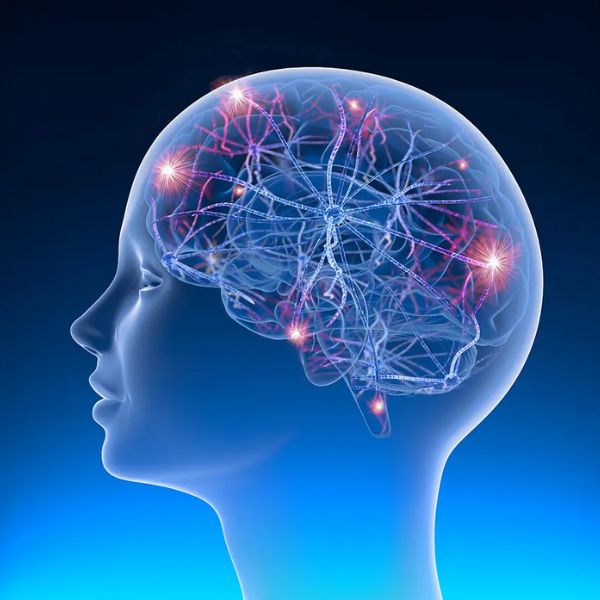
Epilepsy is a disorder of the brain that causes seizures. Seizures are sudden changes in behavior or consciousness due to abnormal electrical activity in the brain. Seizures can cause a wide variety of symptoms, depending on what part of the brain is affected. They can range from mild muscle twitches to full- blown convulsions.
Epilepsy can affect people of any age, race, or sex. It is one of the most common neurological disorders. Epilepsy is not contagious and cannot be transmitted from person to person.
There are many different types of epilepsy, with different causes and symptoms. Some people are born with epilepsy, while others develop it later in life. Some people experience only a single seizure, while others have recurring seizures.
The symptoms of epilepsy can vary greatly from person to person. They can range from mild muscle twitches to full-blown convulsions.
Seizures – A seizure is a sudden, uncontrolled burst of electrical activity in the brain. They can cause a wide variety of symptoms, depending on what part of the brain is affected.
Dizziness – Epilepsy can sometimes cause dizziness or vertigo.
Fatigue – People with epilepsy often experience fatigue or tiredness.
Nausea and vomiting – Some people with epilepsy.
Headache – Epilepsy can cause headaches in some people who experience nausea and vomiting.
Changes in mood or behavior – Seizures can sometimes cause changes in mood or behavior, such as agitation, irritability, or depression.
There are many different types of epilepsy, with different causes and symptoms. Some of the most common types include:
Idiopathic epilepsy: This type of epilepsy is caused by an unknown or genetic factors. It tends to run in families.
Cryptogenic epilepsy: This type of epilepsy is also caused by an unknown factor. However, it is not due to a genetic problem.
Refractory epilepsy: This type of epilepsy does not respond well to treatment and can be difficult to control.
Temporal lobe epilepsy: This type of epilepsy is caused by a problem in the temporal lobe of the brain. It is the most common type of epilepsy in adults.
Frontal lobe epilepsy: This type of epilepsy is caused by a problem in the frontal lobe of the brain. It is more common in children than adults.
Generalized seizures: These seizures affect the whole brain. They are the most common type of seizure in people with epilepsy.
Epilepsy is most commonly diagnosed based on a person’s medical history and a physical exam. Epilepsy may also be diagnosed with an electroencephalogram (EEG), which is a test that measures the electrical activity of the brain. During an EEG, small metal discs called electrodes are placed on the scalp. The electrodes pick up the electrical signals from the brain and send them to a machine that records them. This recording can help doctors see if someone has epilepsy and what type of seizures they are having.
There is no one-size-fits-all treatment for epilepsy. The treatment you receive will depend on the type of epilepsy you have and how well it is controlled. Some common treatments include:
Medications: Epilepsy medications are used to control seizures. There are many different types of epilepsy medications, and your doctor will find the right one for you.
Surgery: Surgery may be an option if medications do not control your seizures. The type of surgery you receive will depend on the cause of your epilepsy.
Vagus nerve stimulation (VNS): VNS is a treatment that uses electrical impulses to stimulate the vagus nerve. This nerve runs from the brain to the abdomen. VNS may be an option if medications and surgery do not control your seizures.
Brain stimulation: This is a treatment that uses electrical or magnetic energy to stimulating certain areas of the brain. It may be an option if medications and surgery do not control your seizures.
If you have epilepsy, it is important to take some precautions to help keep yourself safe. Some things you can do include:
Taking your epilepsy medications as prescribed.
Avoiding activities that could cause a seizure, such as skydiving or swimming in deep water.
Wearing a helmet when riding a bike or motorcycle.
Planning ahead and bringing snacks and drinks with you if you will be away from home for an extended period of time.
Letting people know about your epilepsy so they can help you in case of a seizure.