About Us
Lorem ipsum dolor sit amet, consectetur elit, sed do eiusmod tempor incididunt ut labore et magna aliqua.
Lorem ipsum dolor sit amet, consectetur elit, sed do eiusmod tempor incididunt ut labore et magna aliqua.

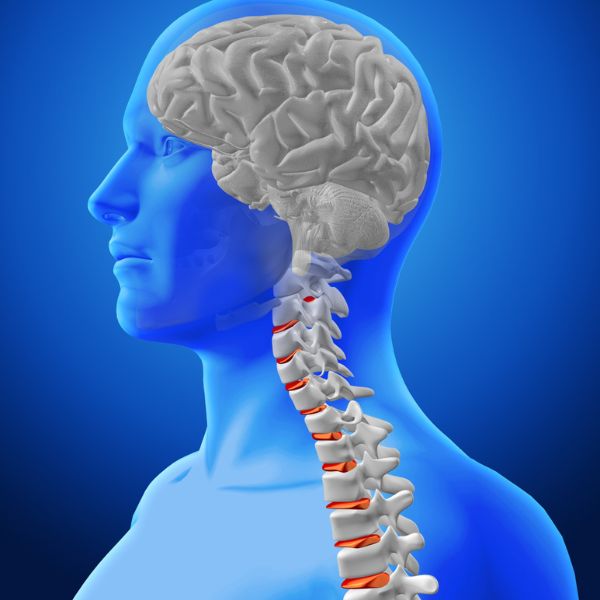
Neurosurgery or neurological surgery, known in common parlance as brain surgery, is the medical specialty concerned with the surgical treatment of disorders which affect any portion of the nervous system including the brain, spinal cord and peripheral nervous system.
The trend towards minimally invasive and maximally effective techniques is not new to the field. The human nervous system, the brain, spinal cord and nerves are extremely delicate structures housed in the skull and spine. Surgery on these structures has to be precise and maximally effective.
Microneurosurgery involves, each of other things, the use of operating microscopes during surgery, for enhanced precision, each of the four dedicated operating rooms of the Neurosurgery suite has a state of the art operating microscope which is used for both brain and spine operations.
Neurovascular surgery involves surgery on problems associated with the blood vessels of the brain and spine. This includes a wide variety of problems like aneurysms, arterio-venous malformations (AVM), stroke surgery due a blood clot or an infarction. Many a time these procedures need to be performed in an emergency setting. A useful aid during these complex surgeries is Indocyanine Green Angiography. This is a special dye which is injected when the surgeon needs to check the completeness of the procedure on the operating table itself.
Neuroendoscopy is now an established technique in neurosurgery. When the endoscope is used within the fluid cavities (ventricles) of the brain, procedures like ETV (endoscopic third ventriculostomy), endoscopic biopsies of tumors are possible. ETV involves creating an alternate pathway for the CSF circulation within the brain. This obviates the need to put in shunts for CSF diversion, in many cases. Because there is no external cut, patients’ acceptance of these techniques is very high.
Spine surgery from the simple to complex procedures is performed on a regular basis. Surgeries like lumbar and cervical discectomies to relieve pain from a ‘slipped’ disc are done using micro neurosurgical techniques for better outcomes. Complex spinal fixation procedures from the top of the spine (craniovertebral junction) to the lumbar spine are performed. Spinal tumours surgery needs a special mention here. These very technically demanding operations are being done in the department for many years now. Neuro physiological monitoring greatly helps here to assess the real time function of the spinal cord and nerves. This system involves testing the motor as well as sensory components of the spinal cord and nerves.
Other areas where neuro-monitoring helps is in tumours near the brainstem, like vestibular schwannoma, meningioma near the optic (vision) nerves.
While all these techniques/technology helps our surgeons give better operative results, post-operative care is equally important. We have a dedicated Neurosurgical ICU/HDU adjoining the OR suite, where operated patients can recover from the surgery. This facility is staffed by dedicated neuro nurses who are trained to look after neurosurgical patients. Trained neuro physiotherapists work on rehabilitating patients with neurologic dysfunctions. Thus a patient who needs a neurosurgical operation is well taken care of both during and after the surgery.